
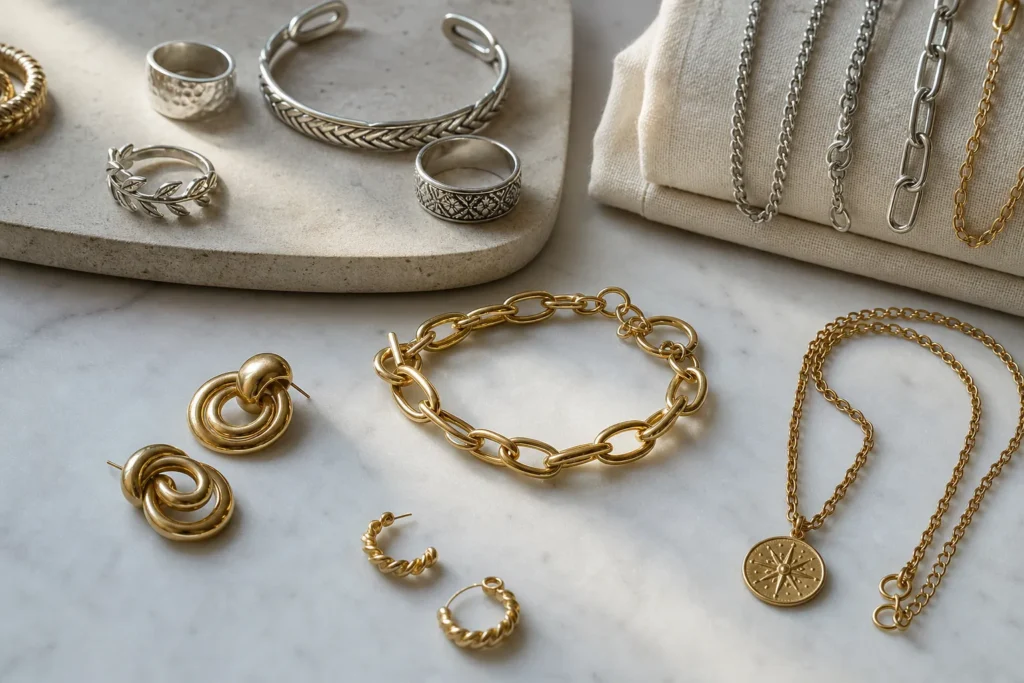
Exploring Alloy Jewelry: Insights for Wholesale Suppliers and Retailers
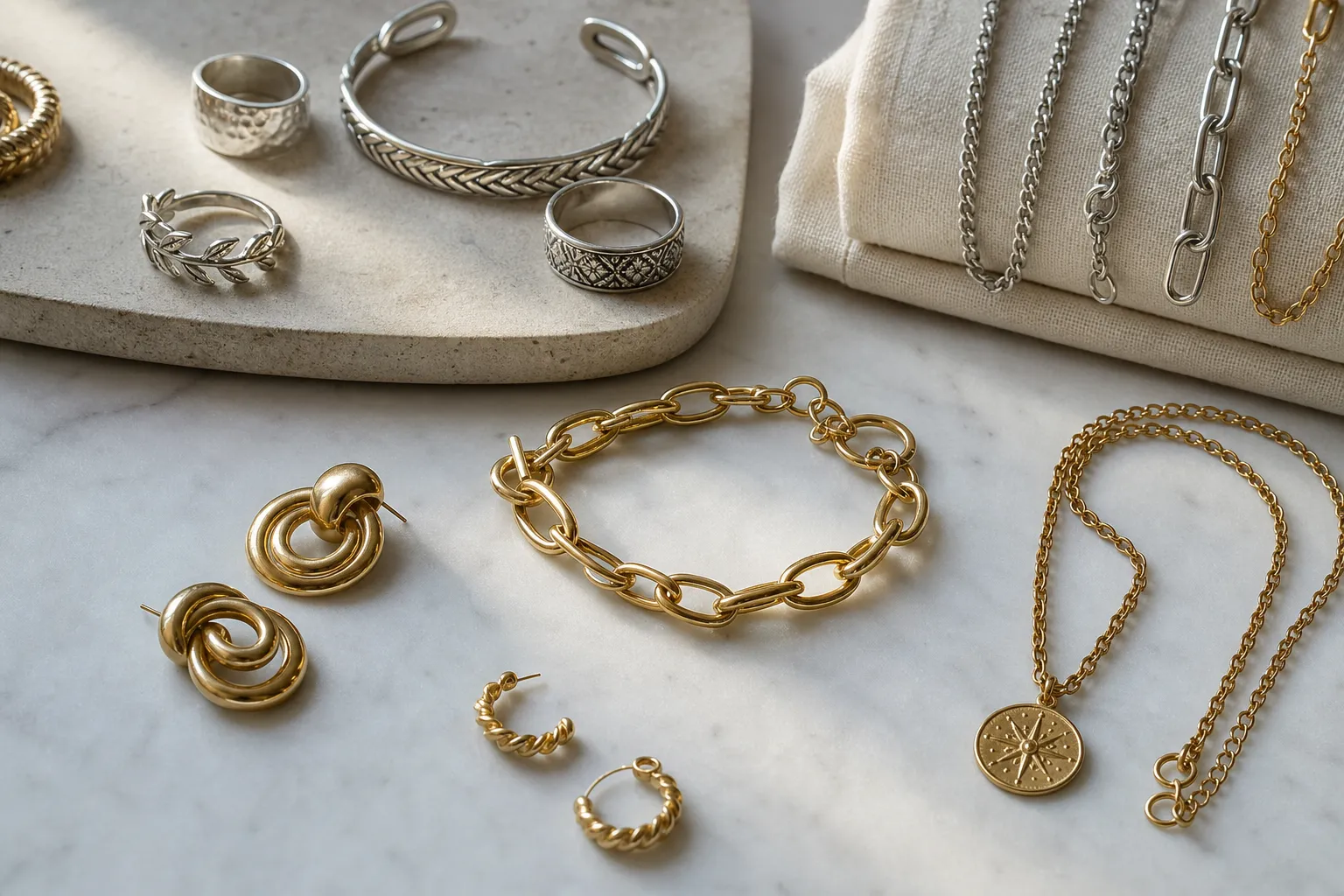
Alloy jewelry is a fascinating part of the jewelry market, known for its unique blend of metals that not only enhance durability but also offer an appealing aesthetic. Essentially, alloy jewelry is crafted from a mixture of two or more metals, which commonly includes base metals like copper, zinc, or nickel, combined with precious metals such as silver or gold. This fusion leads to a diverse range of colors and finishes, making it possible to produce more affordable jewelry options without compromising on quality.
In my experience, the significance of alloy jewelry in today’s market is considerable. As consumers increasingly look for stylish yet budget-friendly alternatives to traditional precious metals, alloy jewelry has emerged as a favored choice. This trend offers wholesale suppliers a fantastic opportunity to serve a growing demographic that appreciates both elegance and affordability.
Specifications of Alloy Jewelry
For wholesale suppliers, understanding the specifications of alloy jewelry is crucial to providing high-quality products. Common alloys used in jewelry include sterling silver (which is 92.5% silver and 7.5% other metals), bronze (a mix of copper and tin), and stainless steel, renowned for its corrosion resistance and strength. Each alloy brings its unique characteristics, affecting the look and feel of the final product.
When it comes to durability and maintenance, alloy jewelry generally outperforms pure metals regarding resistance to scratching and tarnishing. This makes it a practical choice for everyday wear. However, it’s important for suppliers to educate their customers on proper care techniques, like avoiding harsh chemicals and storing pieces in dry environments to maintain their luster.
The aesthetic qualities of alloy jewelry significantly contribute to its appeal. The ability to create intricate designs and vibrant finishes allows for a diverse range of styles—from classic to contemporary. This versatility means that alloy jewelry can meet various consumer preferences, making it a staple for many retailers.
Use Cases for Alloy Jewelry
The allure of alloy jewelry is evident in its broad array of styles and trends. Popular designs such as minimalist pieces, statement necklaces, and bohemian-inspired earrings resonate with different consumer tastes. As wholesale suppliers, recognizing these trends can aid in curating collections that attract a wider customer base.
Target markets for wholesale suppliers include fashion boutiques, online retailers, and specialty shops focusing on affordable jewelry. Additionally, seasonal and event-based demand can significantly impact sales. For example, during the holiday season, consumers are often on the lookout for unique gifts, making alloy jewelry an ideal choice due to its affordability and variety.
Sourcing Alloy Jewelry
Finding reliable manufacturers is essential for wholesale suppliers aiming to source alloy jewelry. Conducting thorough research on suppliers specializing in alloy craftsmanship ensures that the products meet quality standards. Attending trade shows and industry events can provide invaluable networking opportunities to connect with reputable manufacturers.
Another critical aspect of sourcing is evaluating quality and certifications. Suppliers should prioritize manufacturers that adhere to industry standards and provide transparency regarding their materials. Certifications can boost credibility and reassure customers about the product’s quality.
Cost considerations and pricing strategies are also vital in the wholesale business. Understanding production costs and setting competitive pricing while maintaining a reasonable profit margin will help suppliers attract both retailers and consumers.
Comparing Alloy Jewelry to Other Materials
When evaluating alloy jewelry, it’s important to compare it with other materials in the market. For instance, while precious metals like gold or platinum carry intrinsic value, alloy jewelry offers a more accessible and versatile alternative. The affordability of alloy pieces enables consumers to explore different styles without making substantial investments.
In contrast to costume jewelry, which often employs lower-quality materials, alloy jewelry strikes a balance between quality and price. While costume jewelry may appeal to budget-conscious consumers seeking trendy items, alloy jewelry provides durability and a more refined aesthetic.
Each material has its advantages and disadvantages. Alloy jewelry is generally more durable and affordable, while precious metals carry significant resale value. Understanding these differences can help wholesale suppliers effectively position their products in the market.
Implementation Strategies for Wholesale Suppliers
To effectively integrate alloy jewelry into their offerings, wholesale suppliers should focus on efficient inventory management. Monitoring sales trends and consumer preferences can help maintain a balanced inventory that meets demand without risking overstocking.
Marketing alloy jewelry effectively is crucial for attracting both retailers and consumers. Leveraging social media platforms, engaging in influencer collaborations, and utilizing targeted advertising can enhance visibility and drive sales. Highlighting the unique qualities of alloy jewelry, such as its affordability and stylish designs, can resonate with a broader audience.
Building strong relationships with retailers is essential for long-term success. Offering exceptional customer service, flexible ordering options, and promotional support can foster loyalty and encourage repeat business.
Frequently Asked Questions (FAQs)
What is the best way to care for alloy jewelry?
To maintain the beauty of alloy jewelry, avoid exposing it to harsh chemicals and store it in a dry, cool place. Regularly clean pieces with a soft cloth to remove dirt and oils.
How can I identify high-quality alloy jewelry?
Look for reputable brands, check for certifications, and evaluate the craftsmanship. High-quality alloy jewelry will feature a smooth finish and consistent coloring throughout.
What are the trends in alloy jewelry for the upcoming season?
Current trends include layering necklaces, bold statement pieces, and sustainable designs that incorporate recycled materials. Staying attuned to fashion forecasts can help suppliers remain ahead of trends.
Conclusion
Alloy jewelry represents a dynamic and elegant segment of the jewelry market, offering wholesale suppliers a unique opportunity to cater to a diverse customer base. By understanding specifications, sourcing strategies, and market trends, suppliers can effectively position themselves in this competitive landscape. As consumers continue to seek stylish yet affordable options, alloy jewelry is set to remain a staple in the industry.